
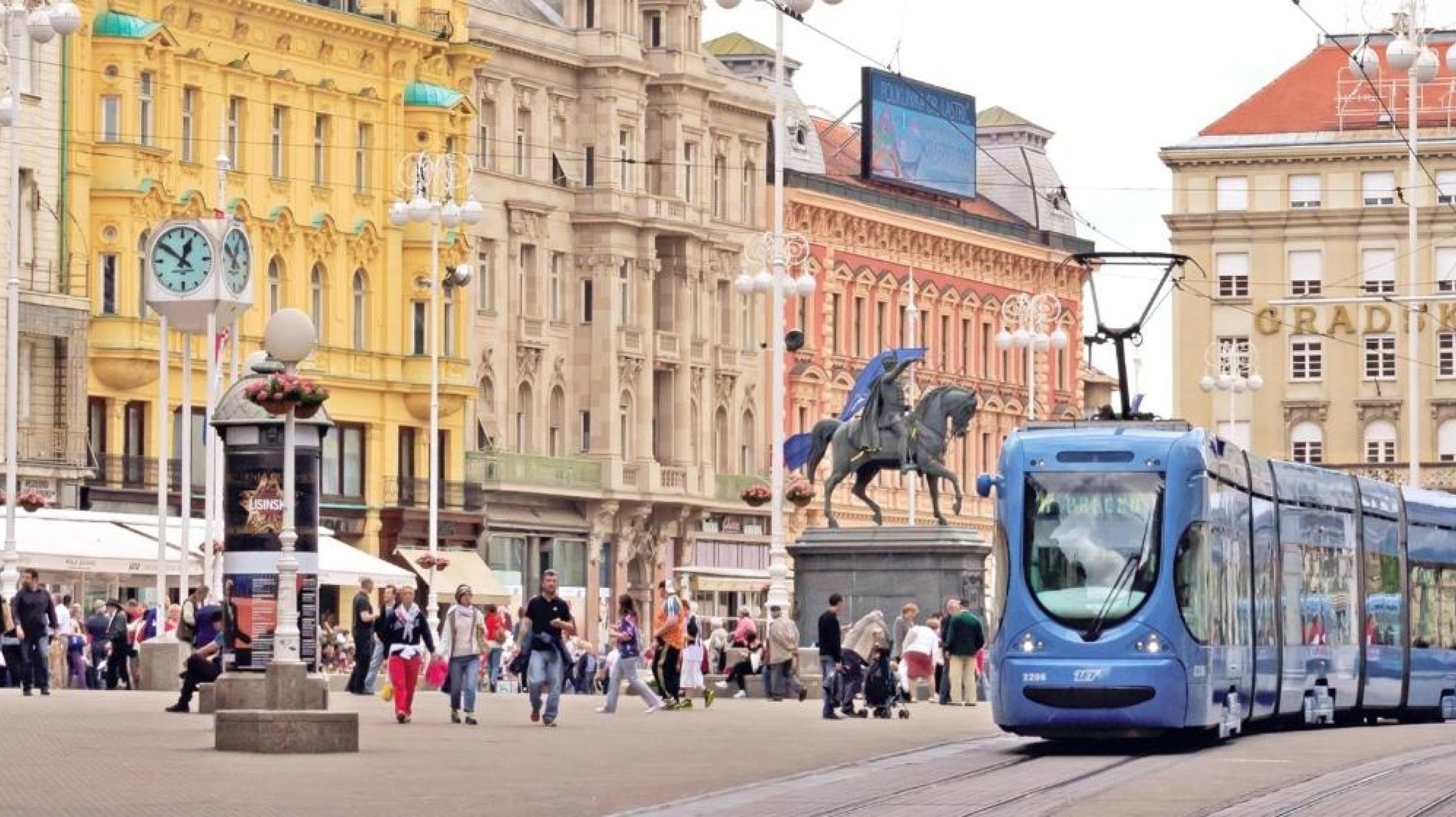
The earthquake in Zagreb left its mark on the tourism sector. How we and our owners responded and what we learned from that situation.
The Impact of the Earthquake on Tourism in Zagreb
All residents of Zagreb remember the powerful earthquakes of magnitude 5.5 on the Richter scale in March of last year, with the epicenter just seven kilometers from the city center. The fact that only about ten days earlier the World Health Organization (WHO) had declared a pandemic caused by the coronavirus made an already bad situation even worse.
Citizens went out into the streets in fear, and cars covered in bricks from damaged buildings, streets full of dust from rubble, and the destroyed cathedral tower — which later became a kind of "symbol" of the earthquake — are still etched in the memory of residents.
According to global and domestic indicators, urban tourism, both worldwide and in Zagreb, was expected to achieve further continuous growth in 2020. The City of Zagreb faced two major crises in a short period — the global pandemic and the earthquake took their toll, and the material damage and collective fear of new earthquakes will continue to affect the people of Zagreb for a long time. But what about tourists? How will the damaged appearance of the center and its surroundings affect the impression and experience of the otherwise charming Zagreb?
We can say with certainty that the earthquakes damaged one of Zagreb's most important and fundamental tourism resources — the city center with its Central European architectural heritage. The pandemic in combination with the earthquakes demonstrated its full power over Zagreb's tourism, most notably through a drop in foreign guest arrivals of as much as 86% compared to 2019. In addition to structural damage, buildings directly intended for tourism were affected, as well as those that indirectly contribute to tourism recognition, such as hospitality venues, churches, and rental apartments. The city remained temporarily "paralyzed," although many acted quite quickly to repair the damaged buildings.
On the other hand, aside from the pandemic, which is closely linked to already limited tourism demand, we do not believe that the earthquakes will impact Zagreb's tourism demand compared to the coronavirus. The uniqueness of the city, especially its center, will not be destroyed by the fear of earthquakes — it will only diminish the previous experience of the representative city core. Taking into account that tourism, primarily affected by the pandemic, would recover more easily and quickly had the city not been hit by extensive damage, we come to the conclusion that the earthquakes themselves are not the primary decisive factor in the decline of tourism but definitely tarnish the impression of Zagreb as it was before. We hope that the city and the Zagreb Tourist Board will do everything in their power to make the city tidy and safe for a comfortable tourist stay by the season.
If we look at the situation from the perspective of apartment hosts in the center, the pandemic and earthquakes have led to the fact that, due to the absence of foreign tourists, short-term rental apartment owners are turning to the long-term rental market. As for apartment owners, in this situation it is definitely more profitable and safer to operate this way until we return to a "normal state."
We can conclude that the pandemic is closely linked to reduced tourism demand in Zagreb. Consequently, demand is also lower for properties in the city center that would serve a tourist purpose, while at the same time, the supply of apartments for long-term rental is growing. The earthquakes caused more damage to the city's own residents than to tourists themselves, and the spirit of the City of Zagreb is definitely more important than its damaged buildings. Zagreb has quite a story to tell once the pandemic is over, and we can hardly wait for the return of tourists who will surely be delighted by our city.